Insects
Thanks for joining us!
This episode was written by Jean and voiced by Kara and T.
Episode art was drawn by Jean.
It was originally released in May 2026.
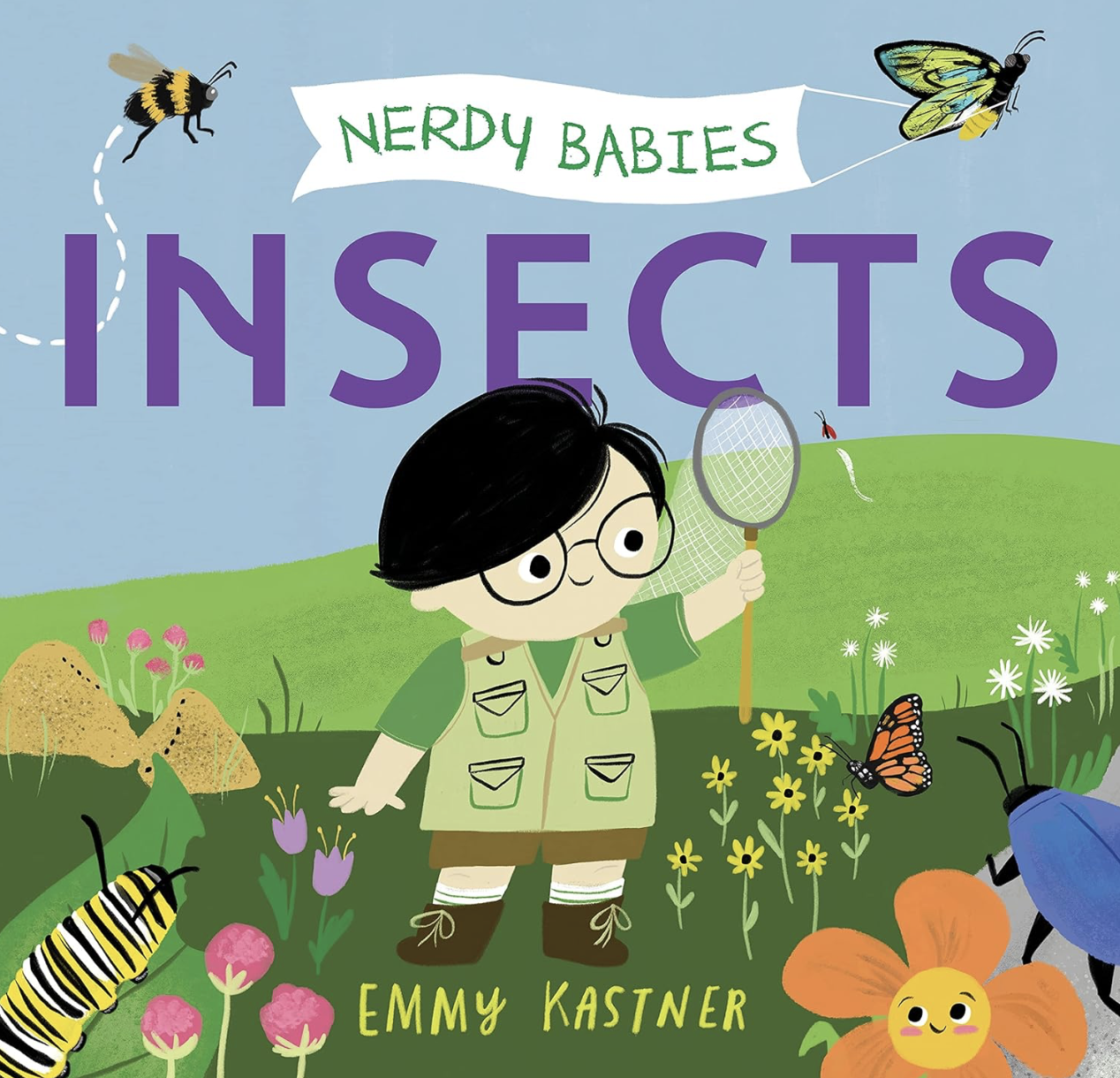
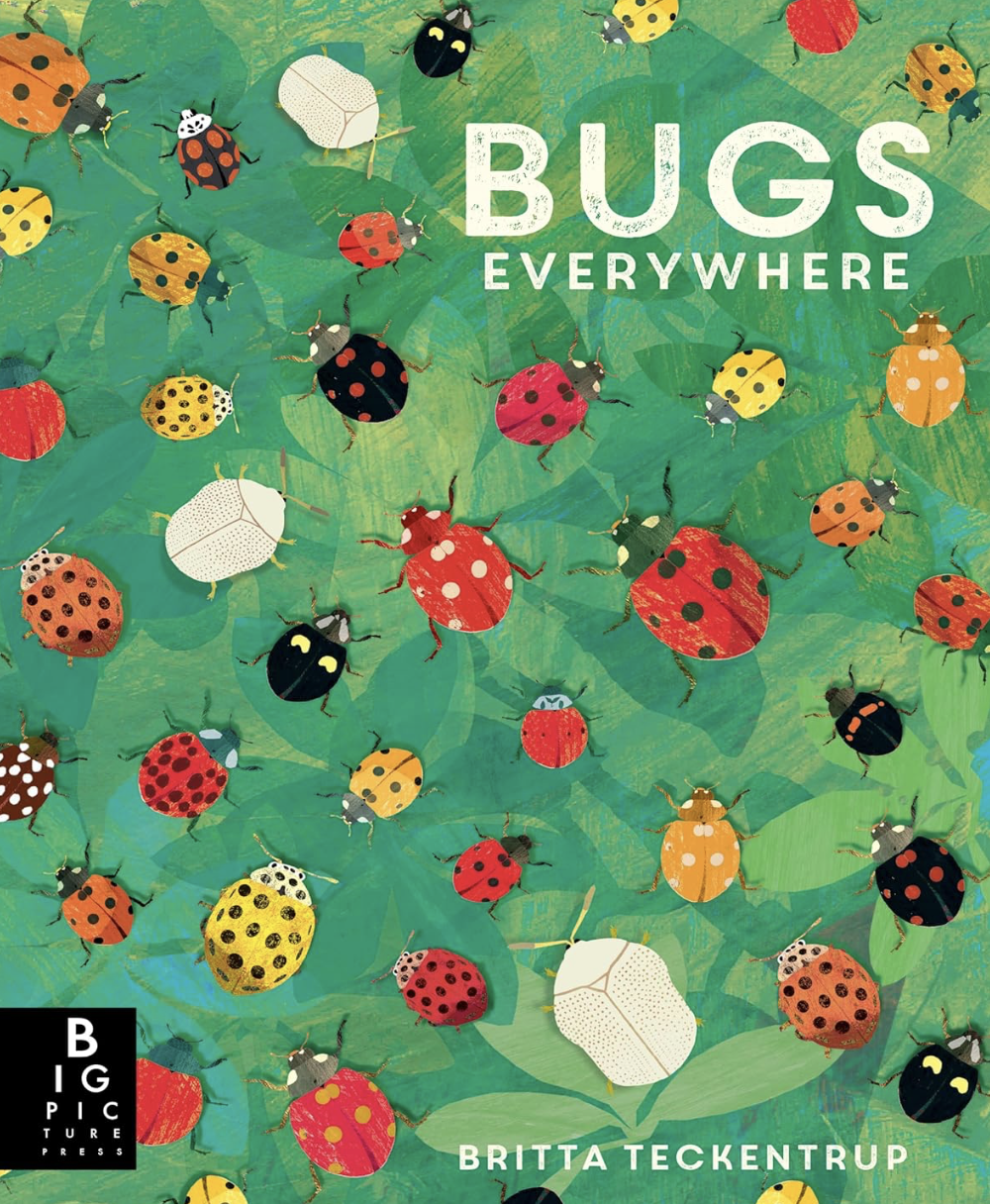
— We love these books about insects (and other bugs) —
Click on each photo for a link to the book on our Bookshop.org account




— Download & fill out our insect printables —
Click on each image below for a link to download the file


— Observe insects with these —
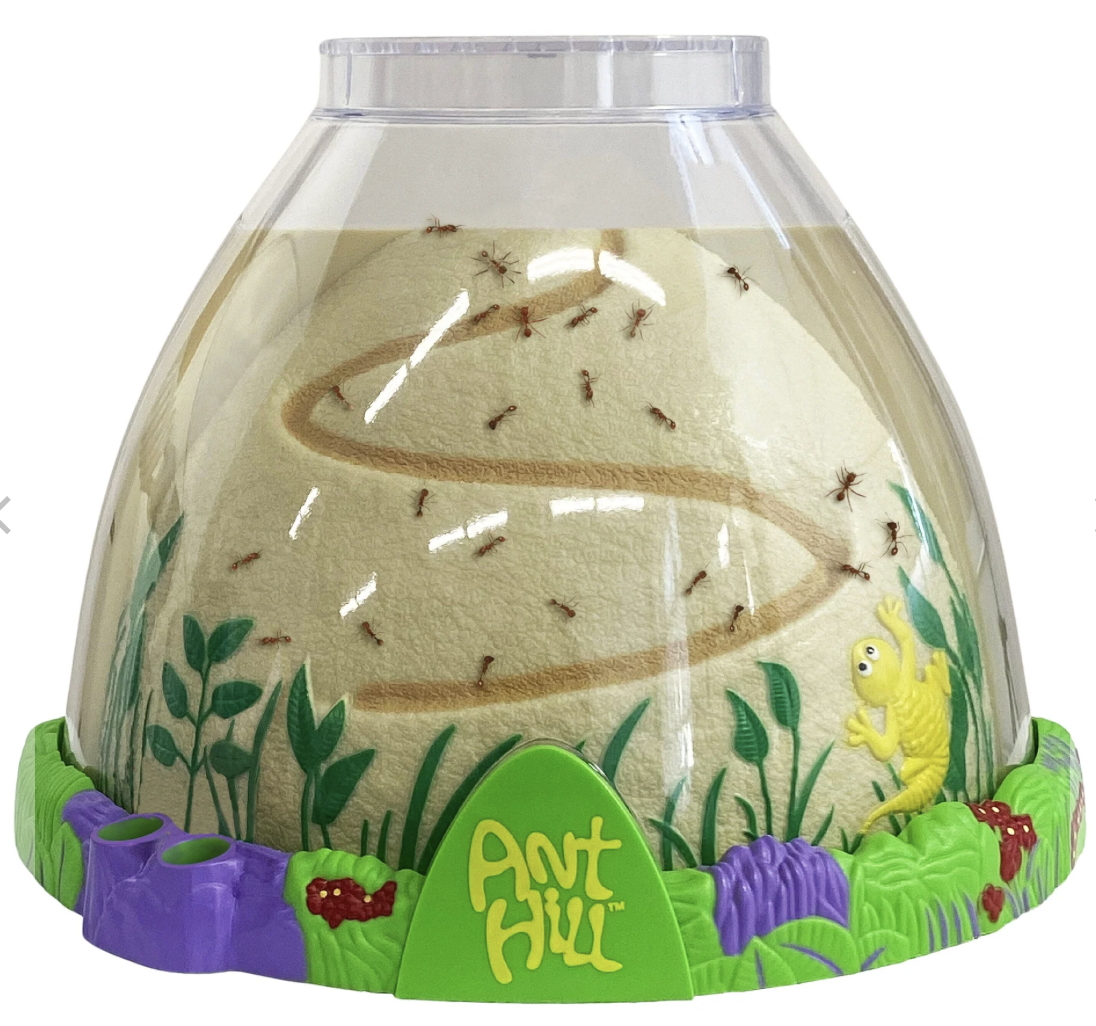
Ant Hill from Insect Lore

Ladybug Land kit from Insect Lore

Butterfly Garden from Insect Lore

Explorers Bug Jar from Hape
— Dive into the world of bees —
Over three years, special cameras opened a rare window into a single hive, revealing their hidden world. With more than 20,000 bee species pollinating one-third of the world’s food, this series uncovers their astonishing architecture and intelligence, unlocking their secrets.
Watch on Disney Plus, Hulu, and at National Geographic online here.
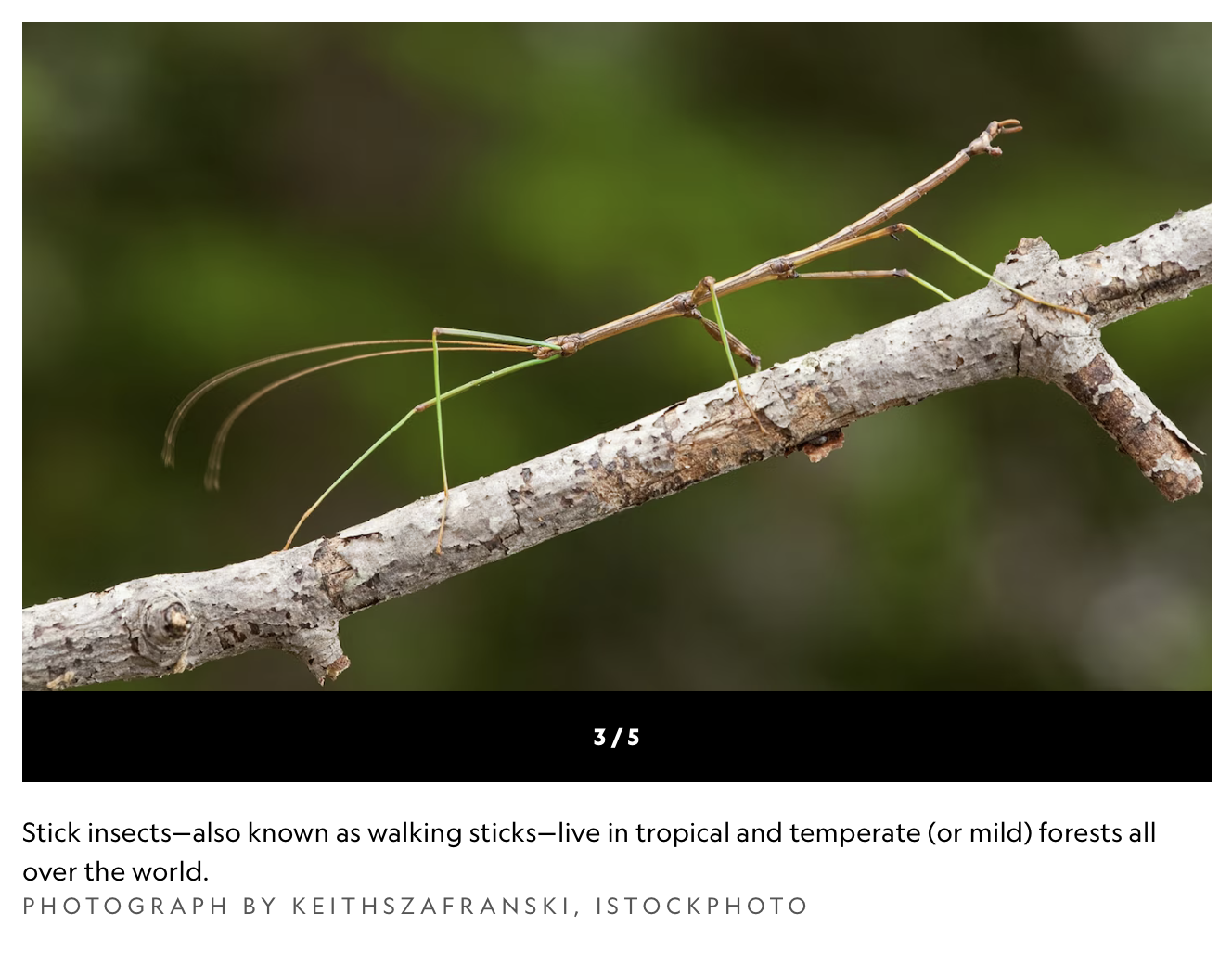
Learn more about walking sticks with Nat Geo Kids
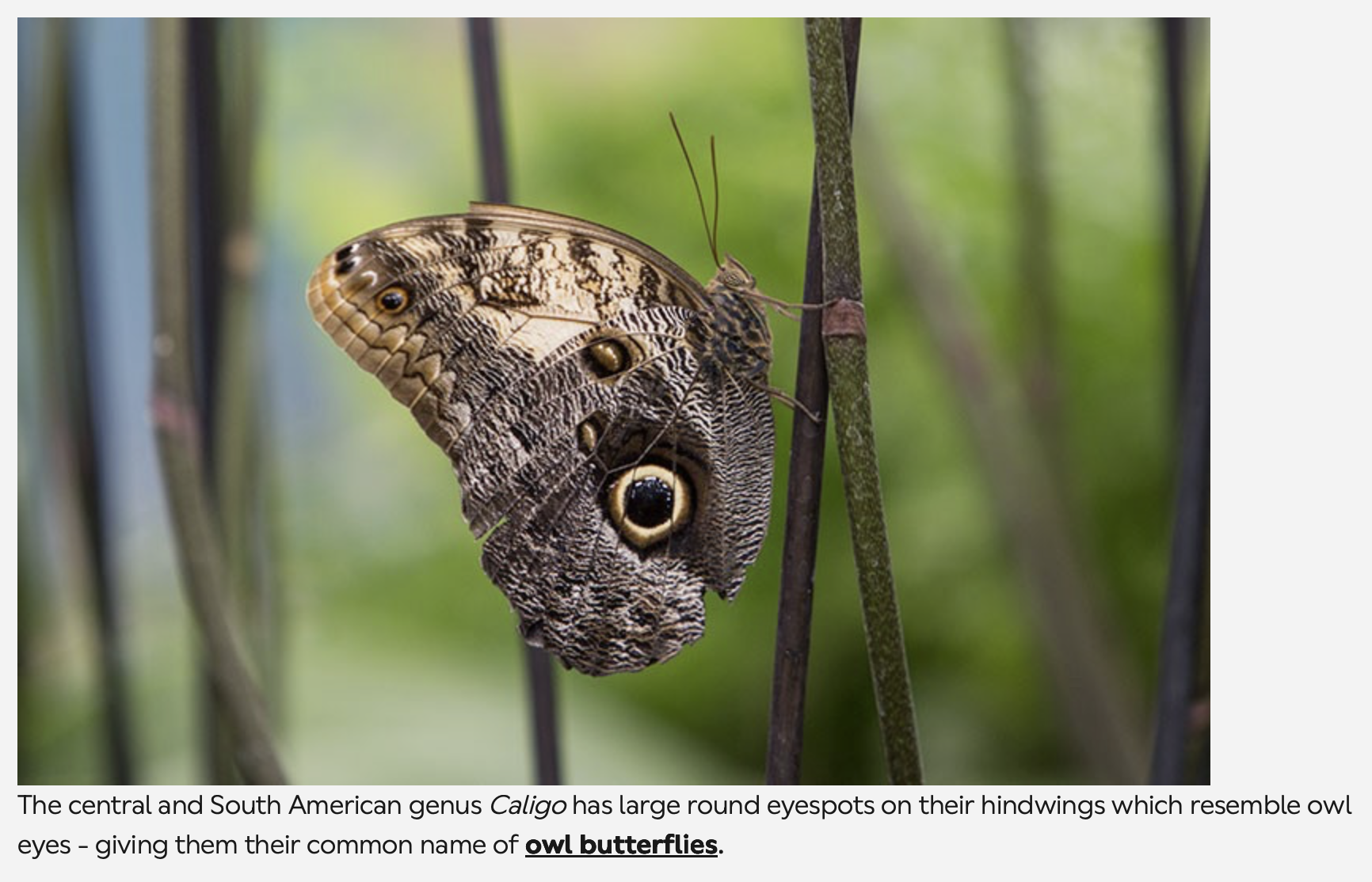
Learn more about eyespots from The Natural History Museum, London
— Insects Discovery Lab —
If you’re in Northern California and have a kid or a class interested in interacting with insects, check out the Insect Discovery Lab!

— Insects Episode Info —
What classifies something as an insect? —
An insect has an exoskeleton.
They have 3 body parts: a head, a thorax and an abdomen.
Insects have 3 pairs of legs, 6 legs total.
Insects’ bodies —
The head of an insect has 2 eyes, mouthparts, and 2 feelers. The feelers come in pairs and are called antennae, but one is called antenna.
An insect uses antennae to feel things. It can feel where it is going. It feels around to find food, and it can tell how the wind is blowing. But also, since they don’t have a nose, some insects use them to smell.
Insects have two eyes, and on some they are simple. But others, such as flies, have many, many lenses on each eye. This is called a compound eye. So when they look at things each lens sees a part of the picture. They have very good eyesight!
Insects have different kinds of mouthparts for eating. They are living things, so they do need to eat. Ants have strong mouths, called mandibles, that are good for chomping on leaves. Bees have a built-in straw that sucks up nectar and curls up when he is not using it.
The thorax is the middle section of an insect. Out of the thorax come the legs, 3 on each side.
Some legs are long and can bend like a knee, which makes for great jumping, like on a cricket or grasshopper. Crickets legs have holes in them near the knees which they can hear through, instead of ears!
Wings can also be attached to the thorax. Many insects have wings and are great fliers. There are wings on both sides of the body. Sometimes there are 2 wings – one on each side. But some have 4, such as butterflies and moths.
The third body part is the abdomen, which has the parts needed to digest food and where stingers can come out of.
Where and how do they live —
Entomologists tell us that over a million kinds of insects live all over the world.
They live in many kinds of biomes from warm tropical forests to cool Alpine tundra. In hot dry deserts, or wet grassy swamps. Near warm spring water or cold mountain streams.
Like all living things, insects need a safe place to live. They make their homes in all kinds of places. Many insects like to make their home in an old tree that is soft and rotten inside. Some build tunnels and nests underground. And some make nests inside the walls of a house!
Many are social insects, which means they like to live in groups.
Termites make amazing, huge homes called towers or mounds. They can be taller than a school bus! They mix dirt with saliva and build it up like a sandcastle. Inside they make tunnels to their nest and even make vents holes to get fresh air into the tower.
In a beehive, there is a queen bee, a large female who lays the eggs and has the babies. There are workers who take care of the babies, workers who get the food to bring to the queen and other insects and workers who clean the nest. And there are soldiers who protect the nest and the other insects. They work together to keep the colony healthy and safe.
Ants are some of the most interesting insects. Not only do they work in the colony together, they can talk to each other. Kind of. It’s ant talk. They use their antennae to tap another ant to communicate something. Some make sounds with their mandibles, which is, remember, their mouth. And the coolest thing they can do is to leave a scent on the ground to tell other ants where to go to find food. Ants go out looking for food; which is called foraging. When they find some good leaves, or crumbs left on a picnic table, they leave a scent on the ground and make a trail, so that other ants can follow the trail to the food. No wonder we always see ants walking in a line, following each other!
Life cycles, camouflage and protection —
Ants start life as eggs. The female insect lays the eggs, and the ant queen can lay hundreds at one time. The egg hatches into a wormy thing, called larva. The larva grows and as it gets bigger, it sheds its skin and grows new skin. Eventually, it becomes a full-grown insect.
Butterflies also start as eggs. First there is an egg, that hatches into a caterpillar (called a larva), then it makes a chrysalis that it sleeps in, finally it comes out as a butterfly. It has to dry its wings before it can fly. The process is called metamorphosis.
Insects can be many different sizes. Some are so tiny we need a microscope to see them. Many are very small, like your fingernail and smaller. And there are a few that can grow really, really big, such as the African Goliath Beetle and the Hercules moth that can be up to 10 inches long, like the size of an adult’s foot!
But compared to other animals in the world, they are pretty small. And other animals think they might make a good meal. So insects have ways to protect themselves so they don’t get eaten.
Some insects look so much like the place where they hang out, that they can’t be easily seen. A katydid is a kind of cricket which is green and is shaped like a leaf so it hides among leaves on a plant.
A walking stick bug looks a lot like a stick on a tree. They’re brown and long and skinny.
Moths and butterflies can have big spots on their wings. To a bird flying around looking for dinner those spots look like the eyes of a larger, scarier animal, so the bird leaves it alone.
Bright, colorful spots on an insect make the predators think that they taste really, really bad.
A wasp or bee will give a painful sting with their stingers if caught, and many insects can bite with strong jaws.
A bombardier beetle shoots hot liquid out of its tail to scare off a predator.
And if a stink bug thinks it is in danger, it sprays a stinky scent so nobody wants to be near it!