Taking Care of the Earth
Thanks for joining us!
This episode was written by Kara and voiced by Kara and T.
Episode art was drawn by Jean.
It was originally released in April 2026.
— Check out these books about taking care of Earth —
Click on each photo for a link to the book on our Bookshop.org account
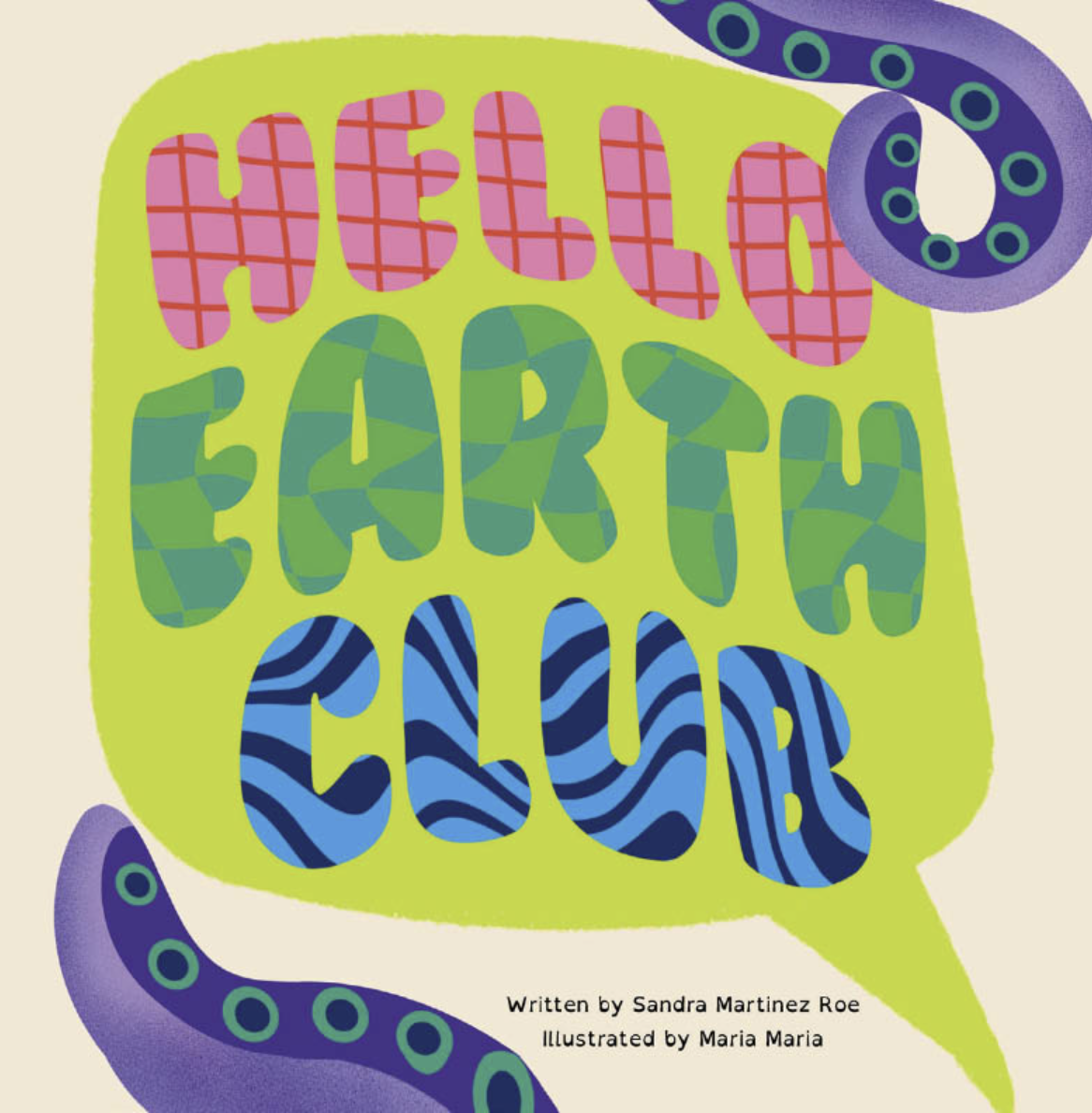
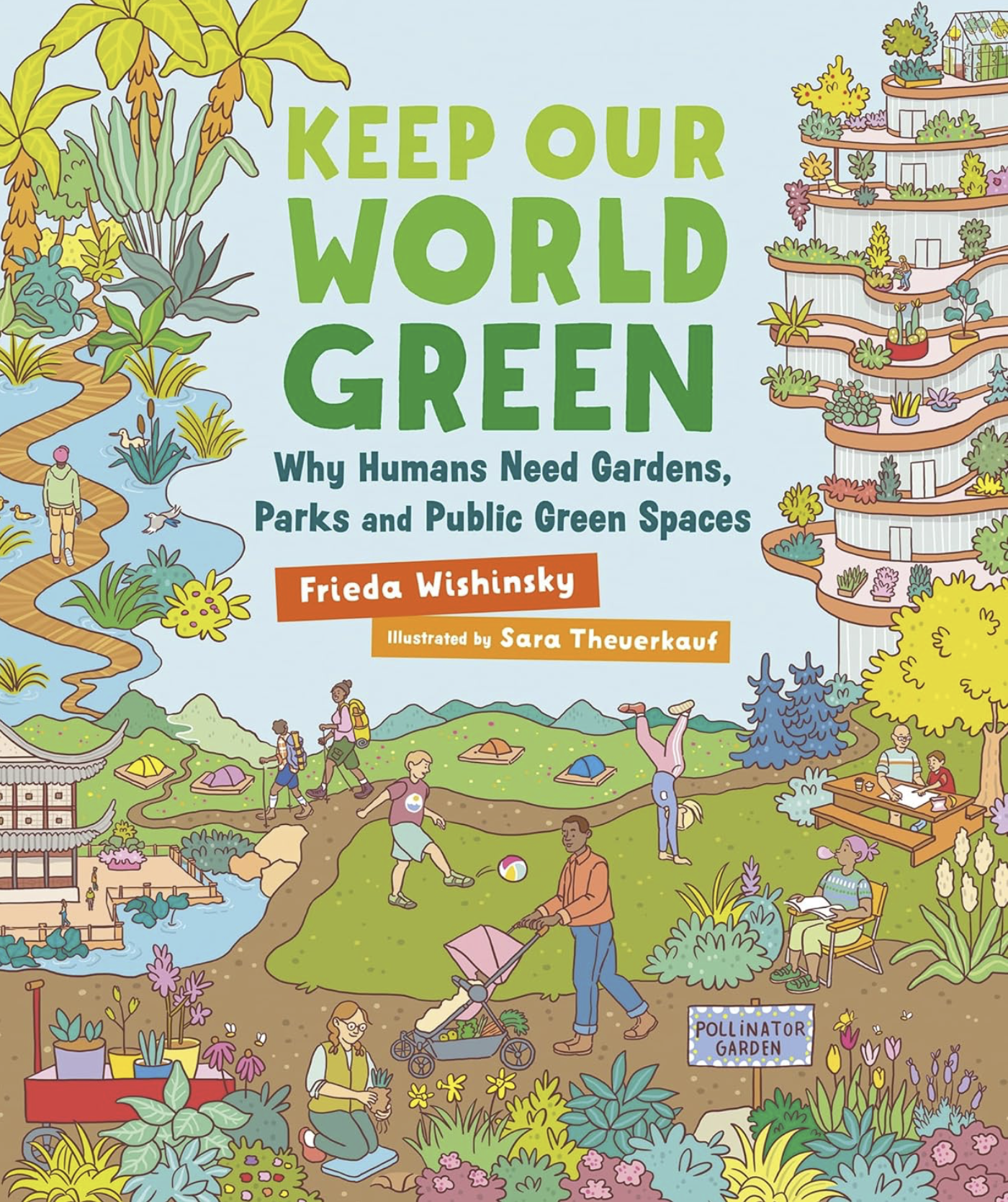
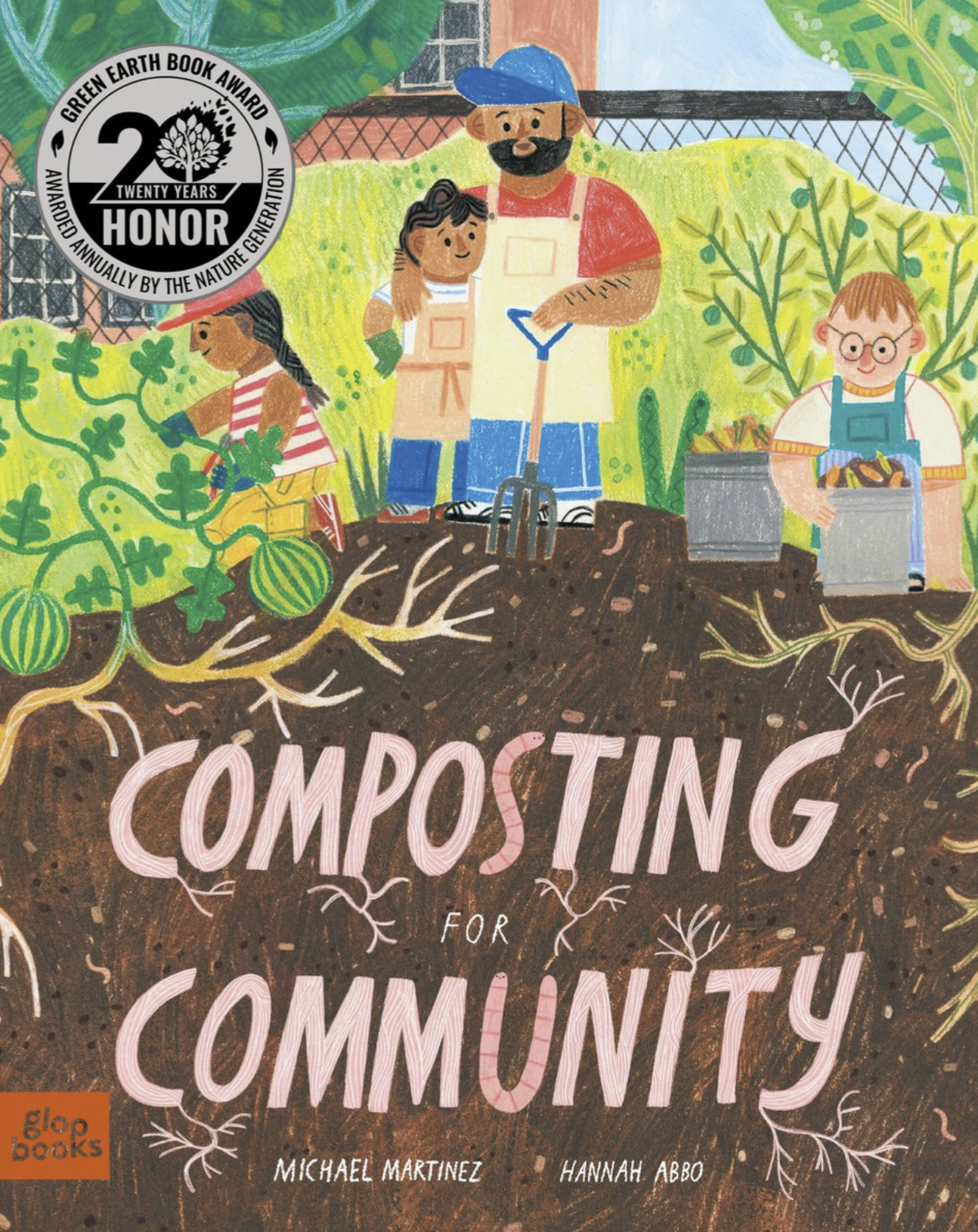


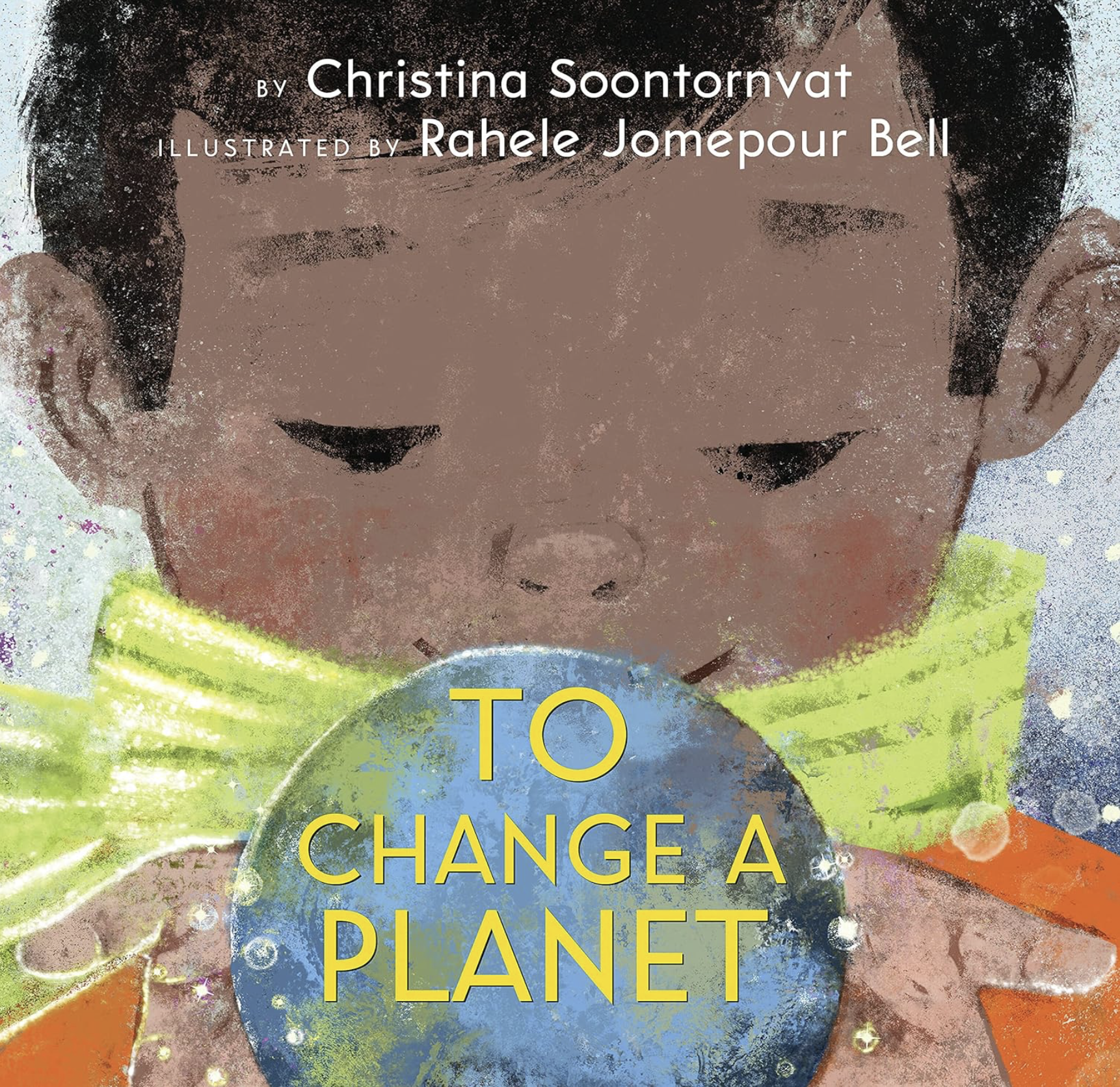
— Let’s help our planet —
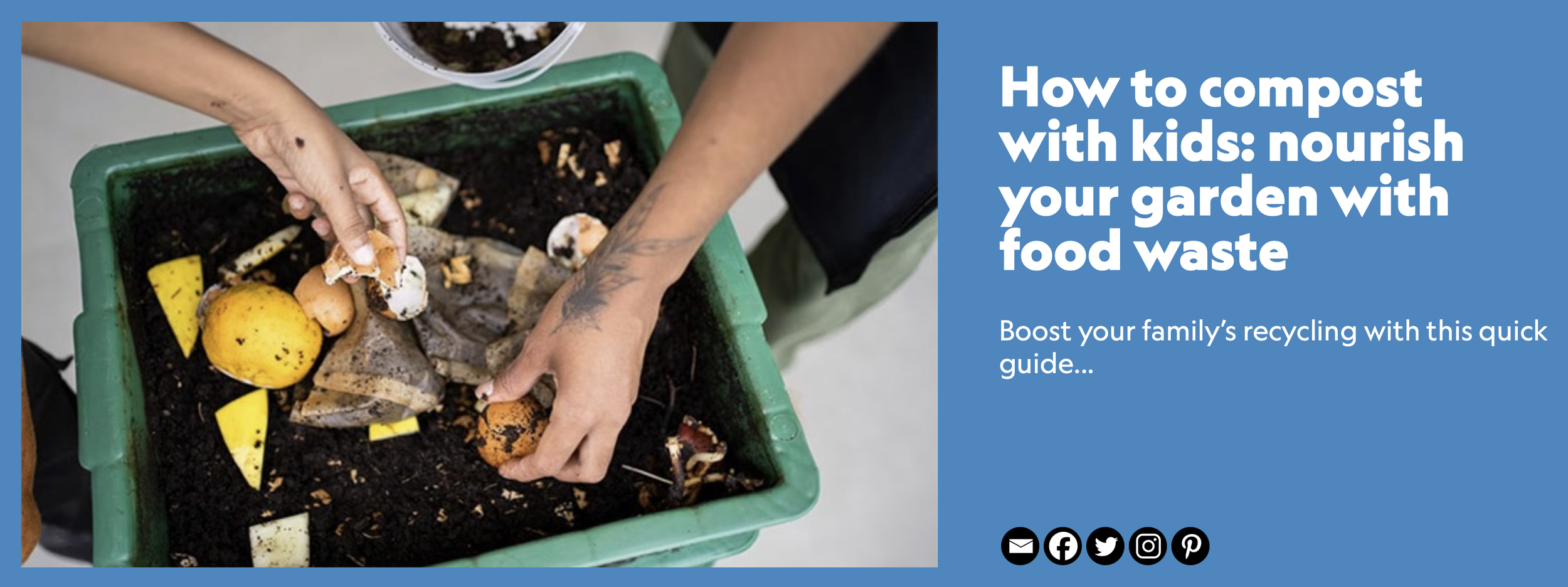
Learn more about how and why to compost with this handy guide from National Geographic Kids.
— Join the Club! —
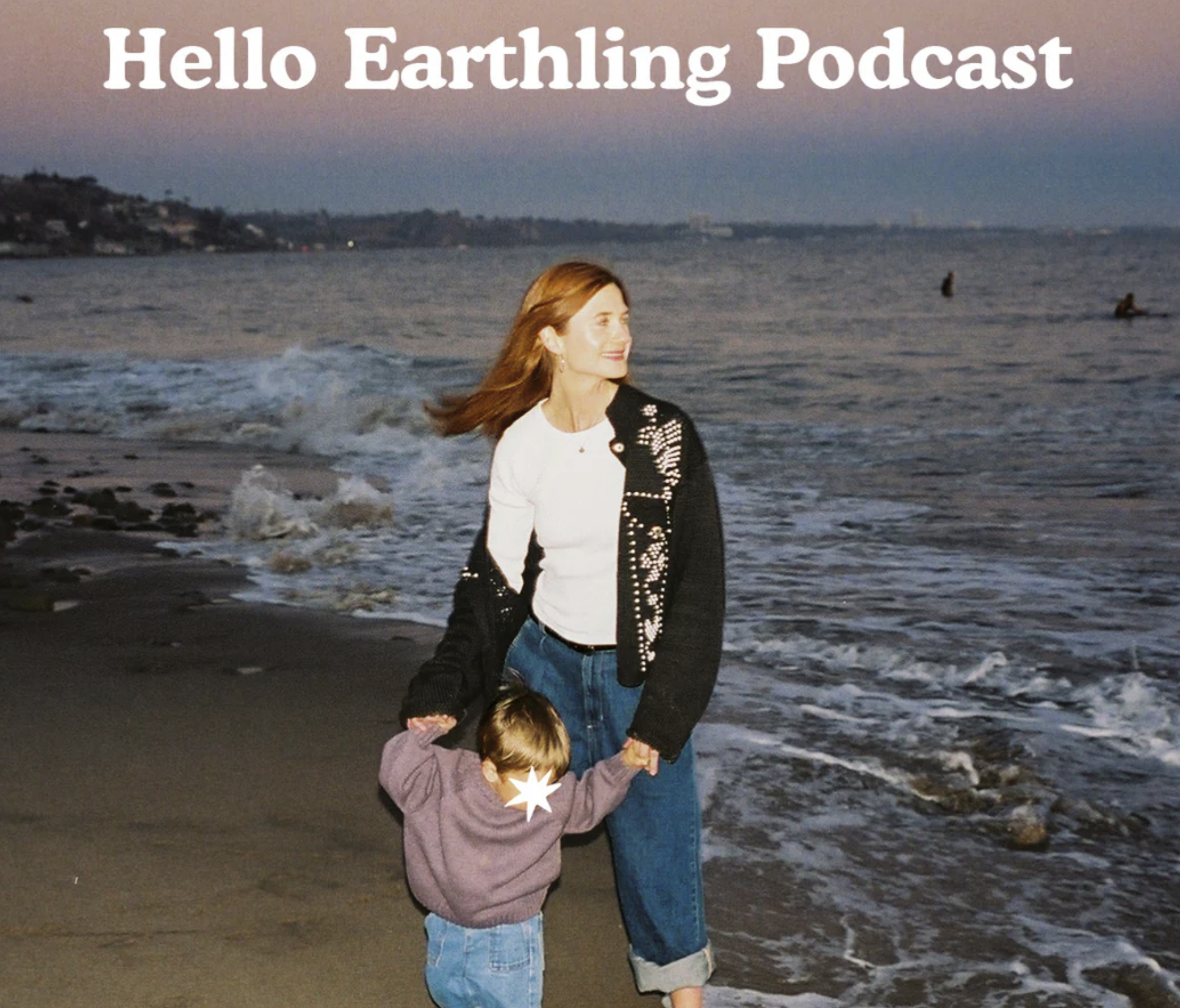
Earthling is a family platform founded by Bonnie Wright—actress, author, environmental advocate, and mother—built to support children's connection to nature and themselves.
It includes a podcast called Hello Earthling, a kids club that sends out weekly printable activity sheets, an online store, and hosts community events.

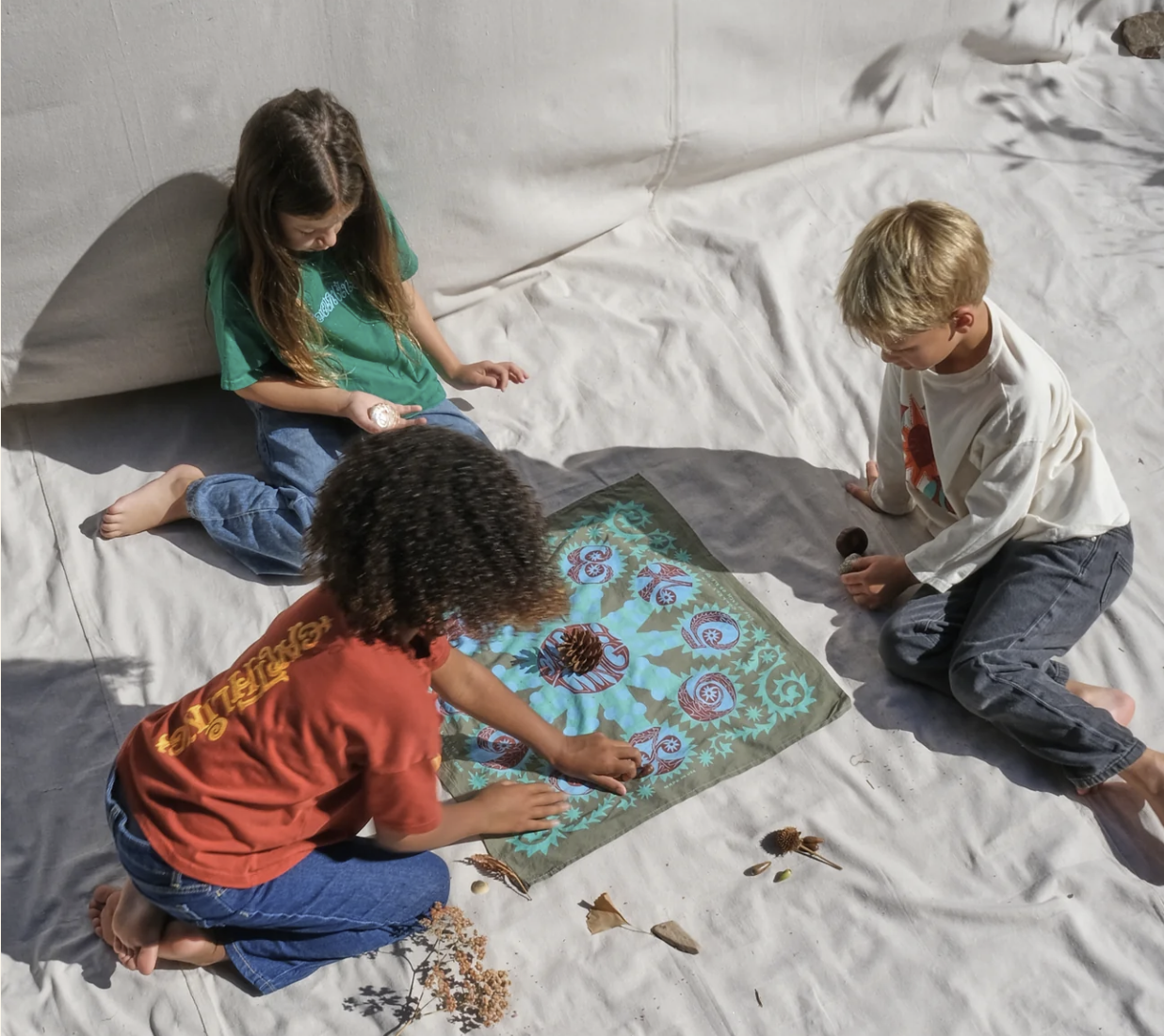
— Celebrate Planet Earth in art —
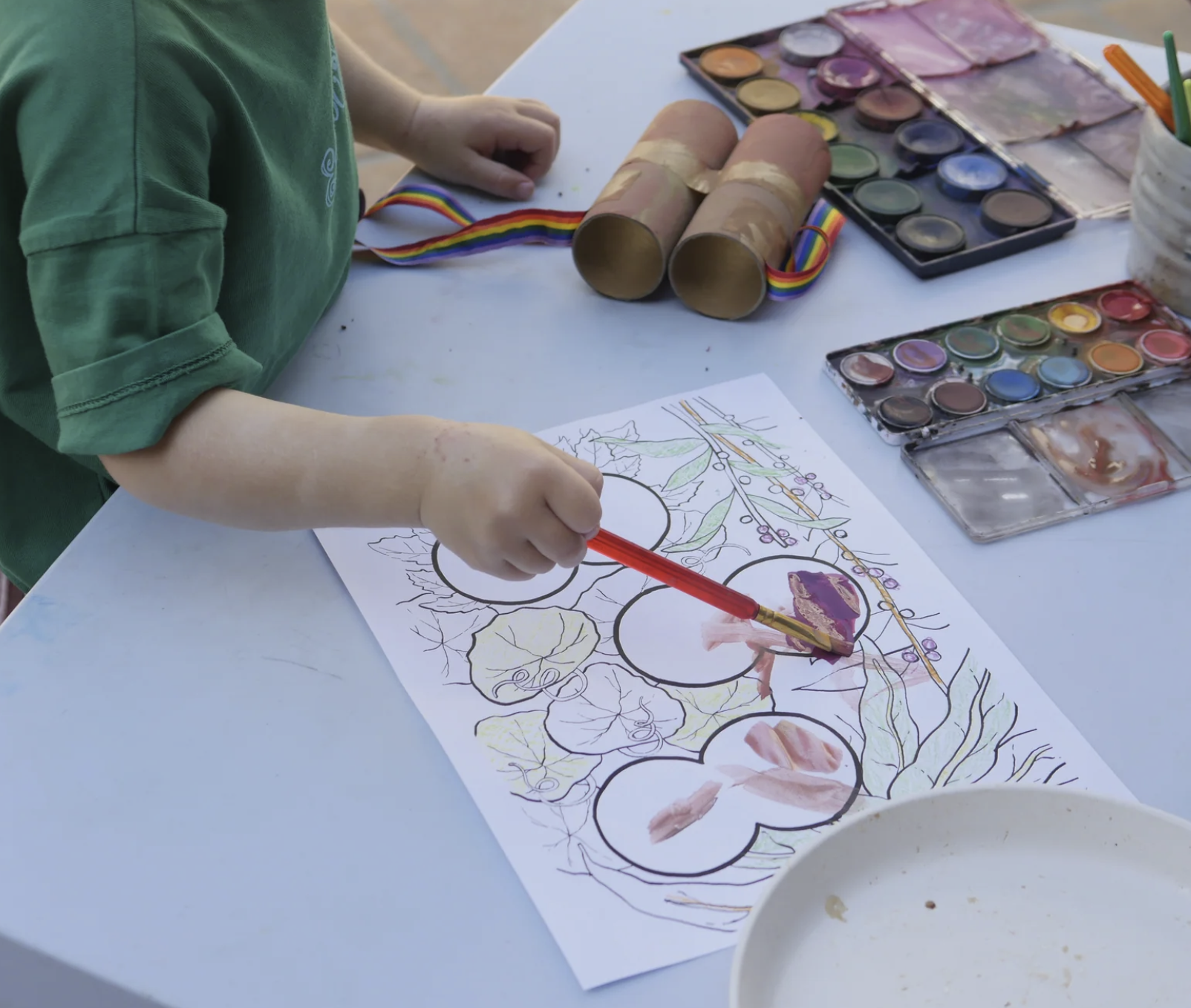
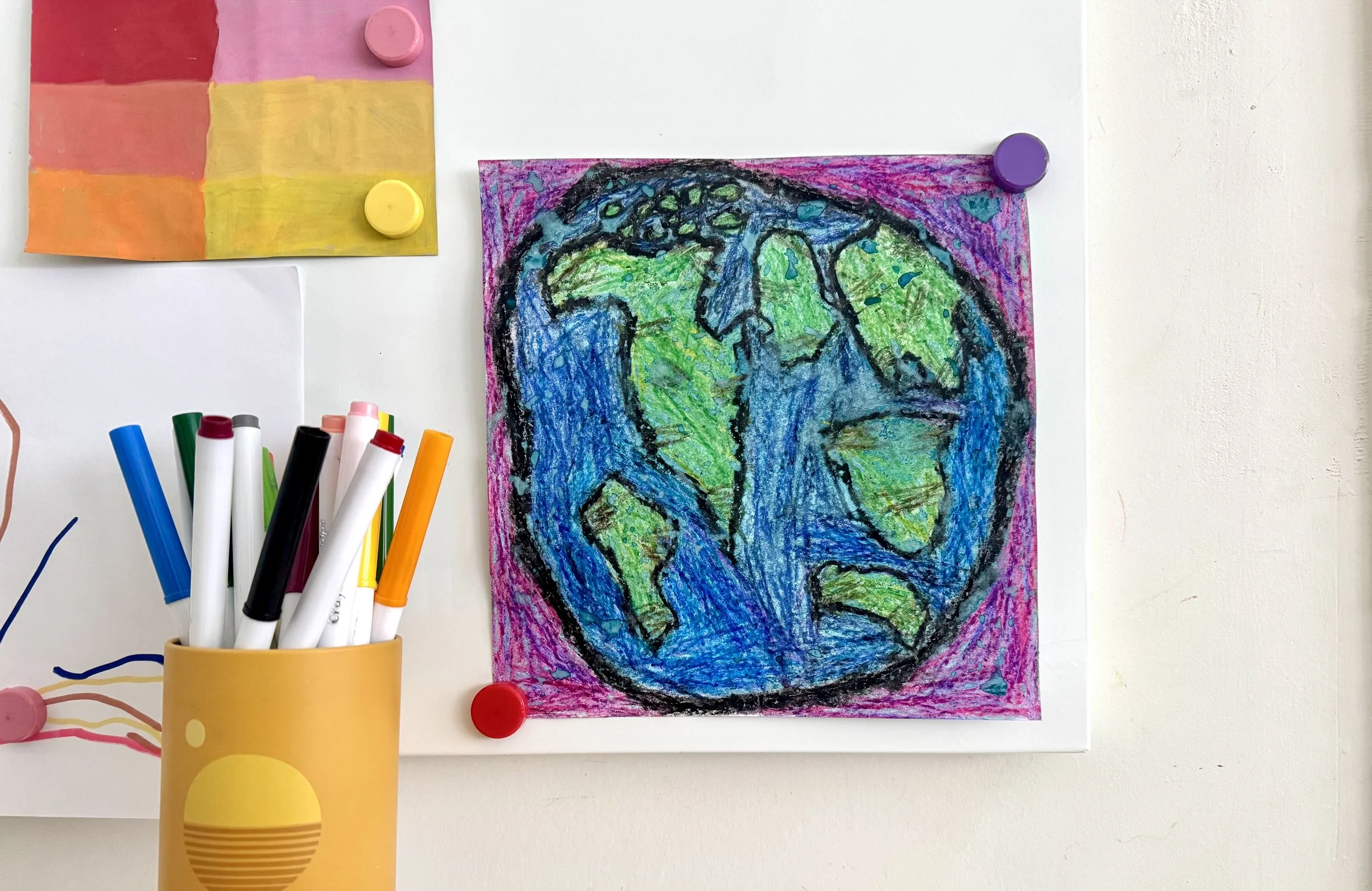
Make your own representation Earth! You can draw with color pencils, paint, collage, or use wax crayons and paint together, like T did here!
— Related podcast episodes —
— Taking Care of the Earth Episode Summary —
The land on this planet & how to take care of it —
There are so many parts of the land on Earth: grass, trails, mountains, meadows, desert sand, cacti, rocks, sand, soil.
Living things grow out of the soil - bushes, flowers, plants, including plants that we humans and other animals eat for food. And trees grow from soil! Trees give us oxygen to breathe and shade on hot days. Trees give animals safe places to live.
We have to respect the land on our Earth! Don’t pull out grass or flowers. Let things grow! If you’re on a walk and there’s a trail, stay on the trail.
One major thing to think about is our trash. The stuff that we throw away. We definitely don’t leave that on the ground. We put the things we don’t need anymore — wrappers and plastic bags and so much else — in the trash.
When we dispose of things, it all goes back to the land in some way. Some trash goes to landfills, some is recycled, and some an be composted.
If something is made of organic material, it can decompose, break down over time, and become part of the earth again. This is the healthiest thing for our planet. It’s why we separate our food and plants from our other trash.
Gardens help the land.
We can be thoughtful about the land by not using too much paper.
Things are all connected on planet Earth! Helping the land helps all of the other creatures. If we don’t pick a flower, we leave it for a butterfly to visit. If we don’t step on the anthill, we let the ants live and thrive. If we plant a new tree, we provide shelter for an animal. We can even plant things in our gardens that help creatures! Like pollinator plants.
Water & the ocean —
A swimming pool is an area of water created by people. It’s kept clean with a chemical called chlorine. There aren’t usually fish or other sea creatures or plants in it.
On Earth we also have natural bodies of water, like lakes, rivers, ponds, oceans, and seas.
All of the oceans on Earth actually connect, but to understand where they are a bit better, people have divided them into 5 oceans on planet earth: the Pacific, Atlantic, Indian, Arctic, and Southern (Antarctic) oceans.
Earth’s surface is covered by a lot of water. Earth’s surface is 71% water. That’s more than half!
Water is one of the things that makes our planet a place that we can live. Living things need water to survive.
Water is found on Earth in different states of matter. There water can be found as a gas in the air, in water vapor, as liquid in groundwater, and in lakes and oceans, and as a solid in ice caps and glaciers!
Out of all of those places, most of the water on earth is in Oceans — about 97%.
Oceans have more kinds of life than anywhere else on the planet. So many kinds of living things, like dolphins, lobsters, whales, sharks, all kinds of fish and coral and so much more! For us humans, and for all of these living things, it’s very important that our oceans are healthy.
There’s a difference between ocean water, which has salt, and freshwater. Freshwater is what people can drink.
Even though there is aaallll of this water, there is also a certain amount of water on the planet. We can’t make new water!
Water on earth goes through a cycle! Liquid water (in the ocean, lakes, or rivers) evaporates and becomes water vapor. Water vapor surrounds us, as an important part of the air we breathe. Then, water vapor in the atmosphere condenses and becomes liquid.
Through the water cycle, water can circulates through three states: solid, liquid, and vapor.
Let’s think about how we can conserve water — not turning on the faucet when we don’t need it, don’t put grease or chemicals down the drains, eat foods that don’t require as much energy to be processed, use low-flow toilets, have a natural garden on the lawn instead of grass that requires a lot of water, don’t litter at the beach.
The air —
Breathing is part of being a human. We breathe in and out all day long. Even when we’re sleeping!
We can’t see air, but we know it is there. We can see it when the breeze moves leaves. We can see it when it keeps a kite flying up above us. We can feel it when it gets cold or hot outside.
And even though we can’t really see the air, there can be things in it! Tiny particles get into the air from things such as smoke from fires, exhaust from cars, or from factories and furnaces. We would like our air to be as clean as possible.
Your family may sometimes talk about air quality, especially if you live near a place that has had fires. Scientists have found ways to measure how healthy the air is, and to know when it’s not safe to be outside. This hasn’t happened too often, but a few years ago this happened near where we live. So now we have an air purifier in our home, which is a small machine that cleans the air. It makes us feel better about what we are breathing.
In the past, people weren’t as careful about what went into the air. Coal was burned for heat and it was pretty dirty. Factories sent dirty exhaust into the air. But laws have been made to be sure that dangerous particles are kept out of the air.
Cars are a big part of life on Earth. They help people get around to where they need to go. Same with buses, and delivery trucks. Most cars use gasoline to get their power and by using that, they give off exhaust, which is dirty air.
That is a bit of a problem, because it is not so clean. People are now thinking about ways to make less of that exhaust. Some new cars use electricity to run. Some city buses are “emission free”. Some people are riding a bike when they can instead of driving a car.
How else can we help keep the air clean? Trees and plants give off good air, oxygen, so planting a tree in your yard and growing plants would help. We can walk or ride a bike when we can. Take public transportation — taking a bus or train with a group of people saves the gas needed if each person was driving.