Thanks for joining us!
This episode was written by Jean and voiced by Kara and T.
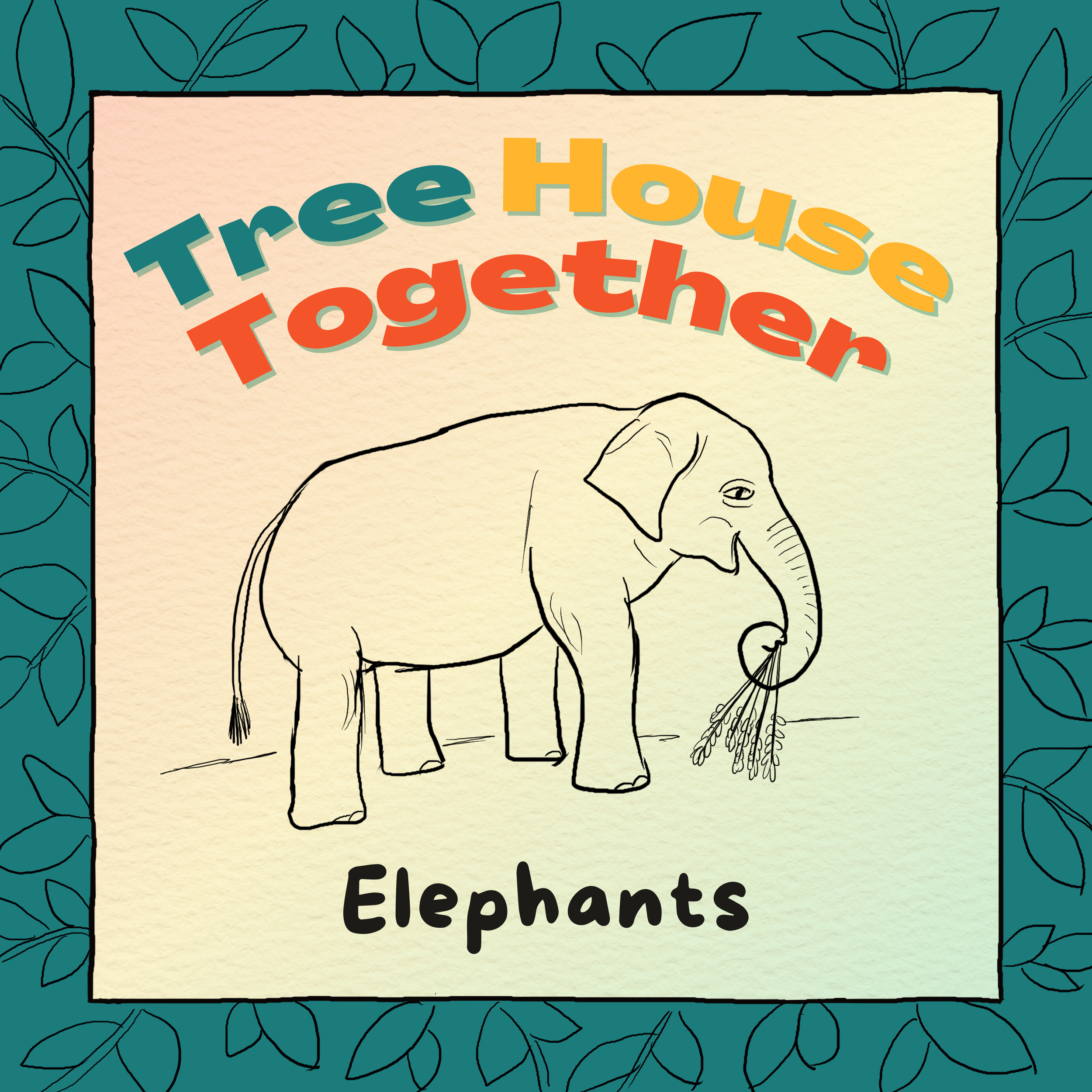
Episode art was drawn by Jean.
It was originally released in December 2025.
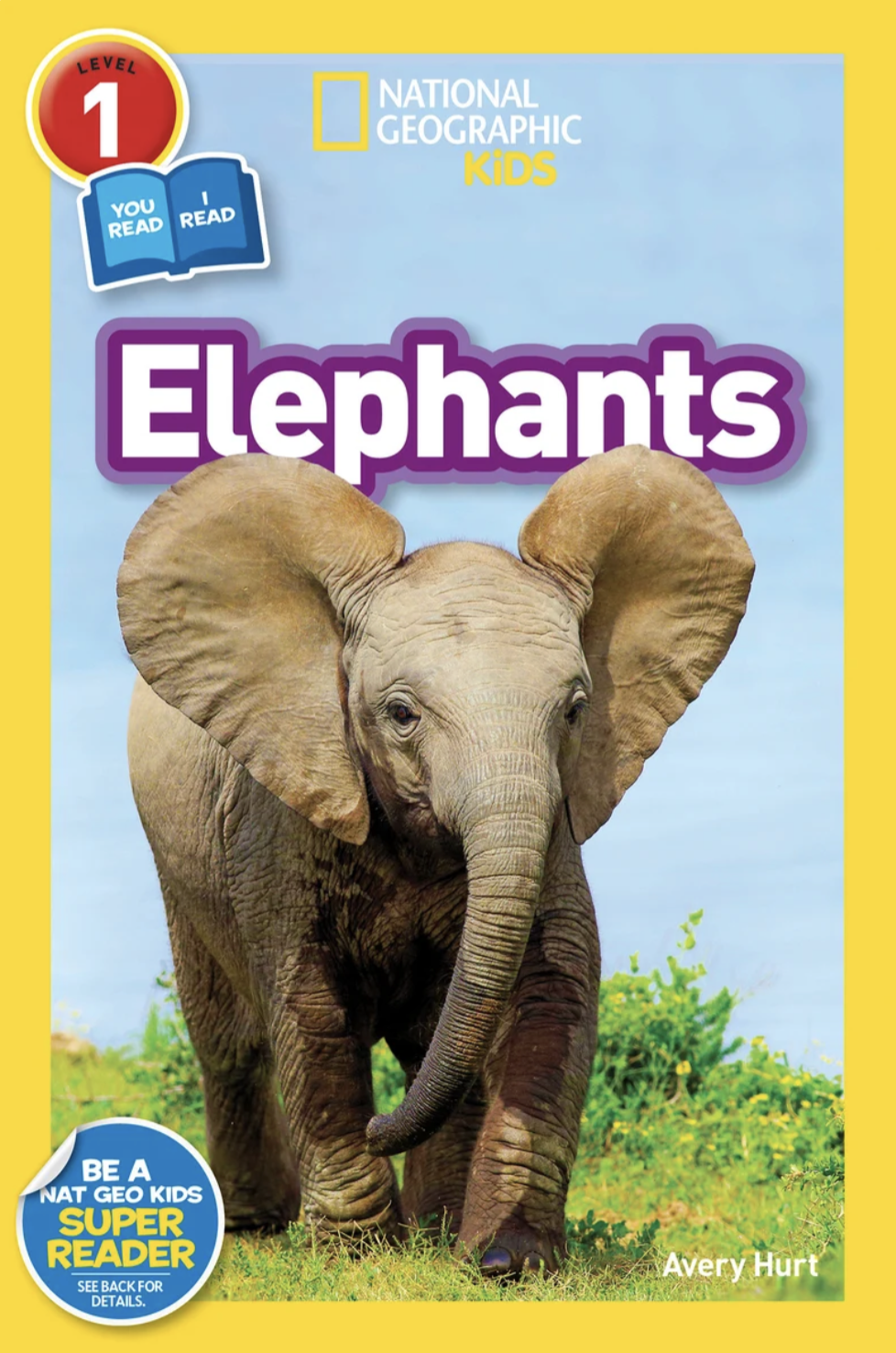
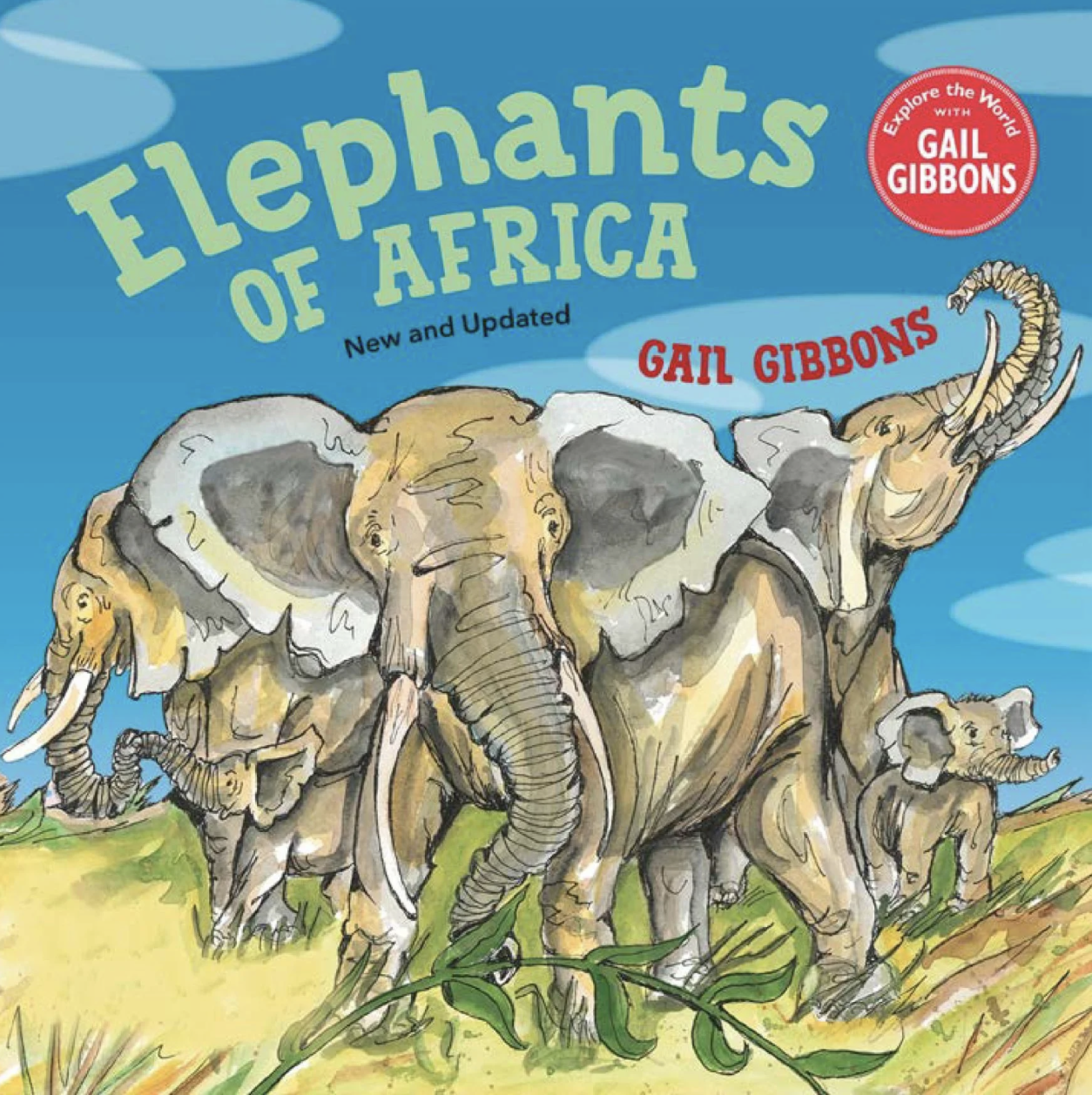
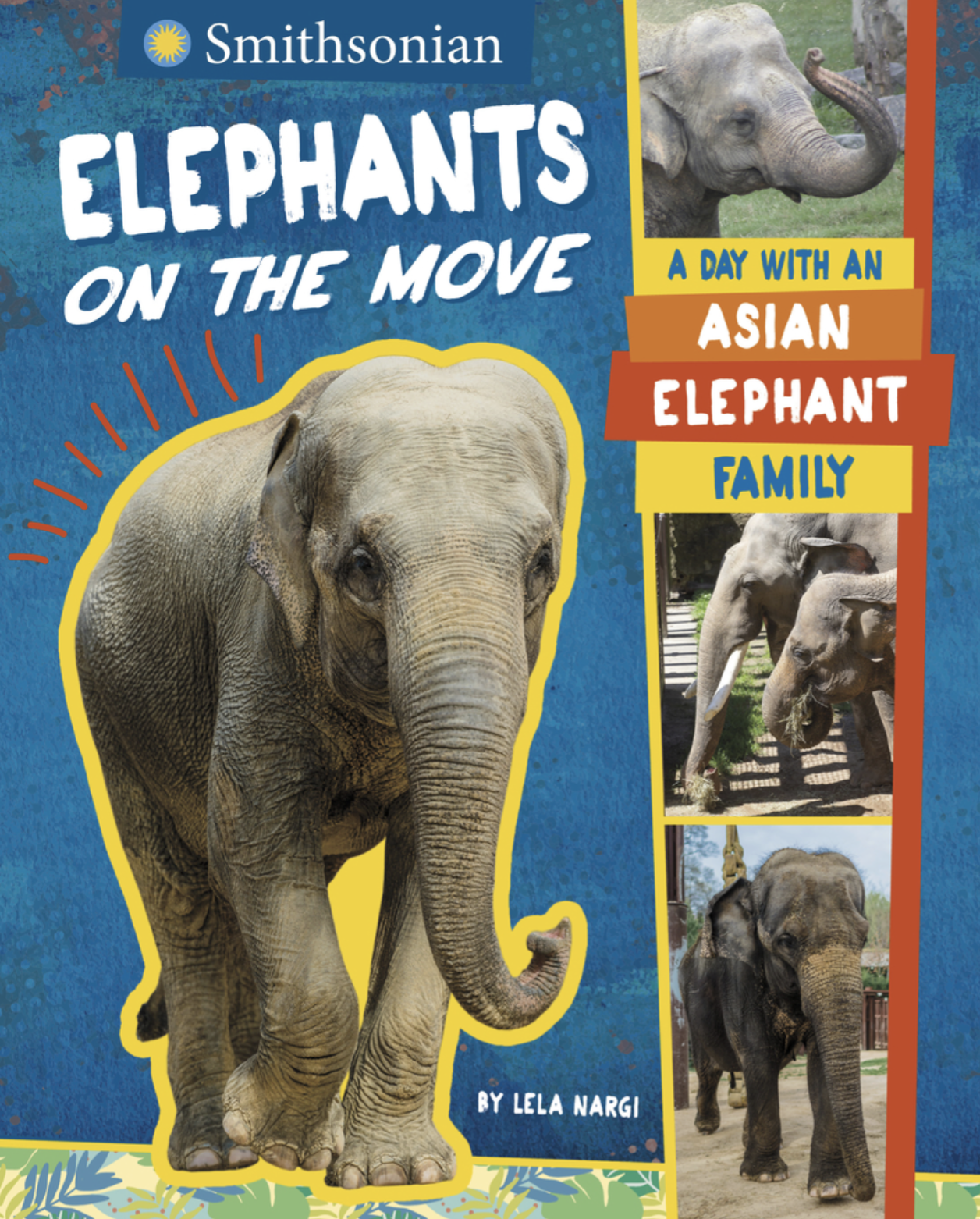
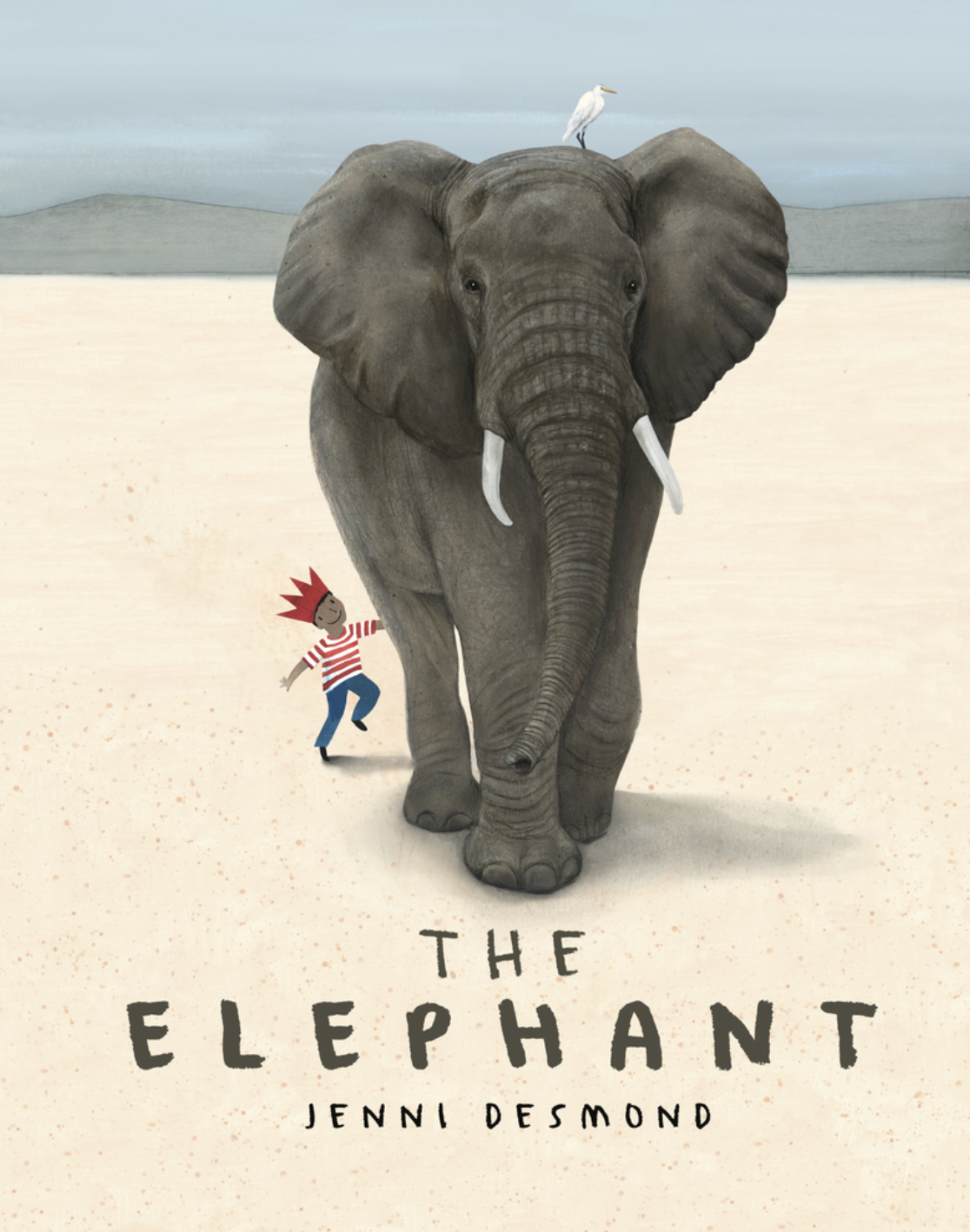
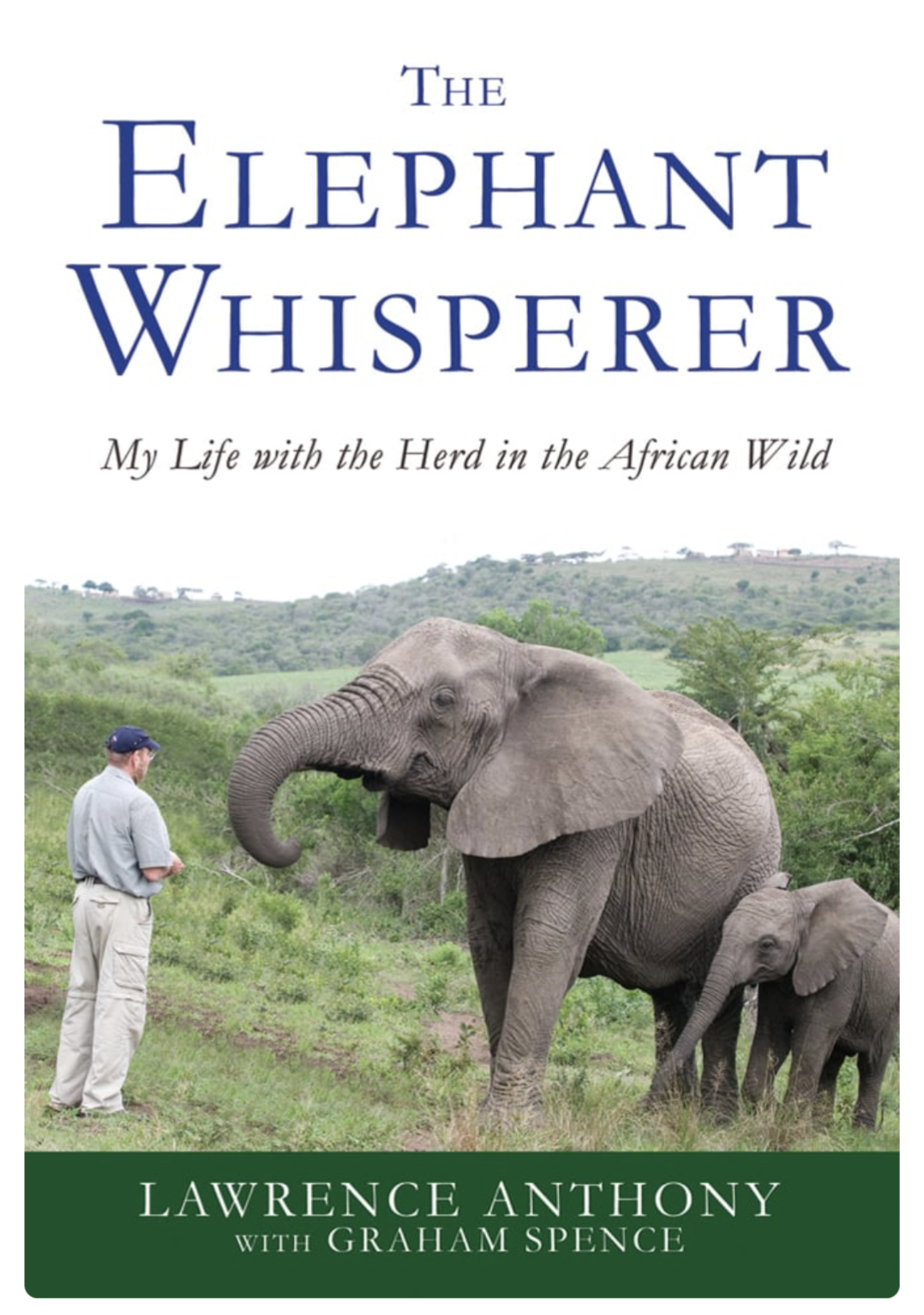
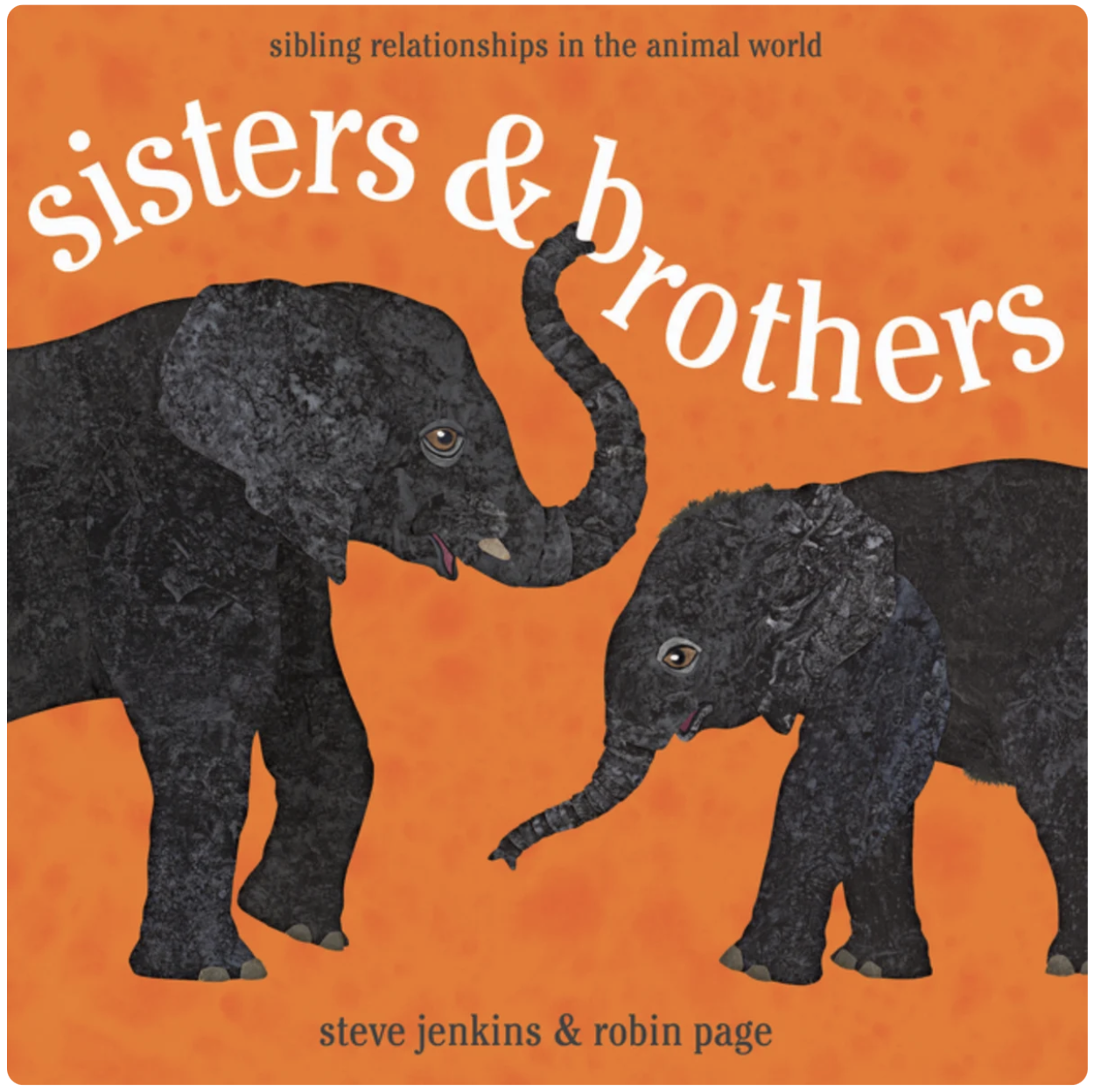
— We love these books about elephants —
Click on each photo for a link to the book on our Bookshop.org account
— Follow the upcoming baby elephant at
Smithsonian’s National Zoo in Washington DC —
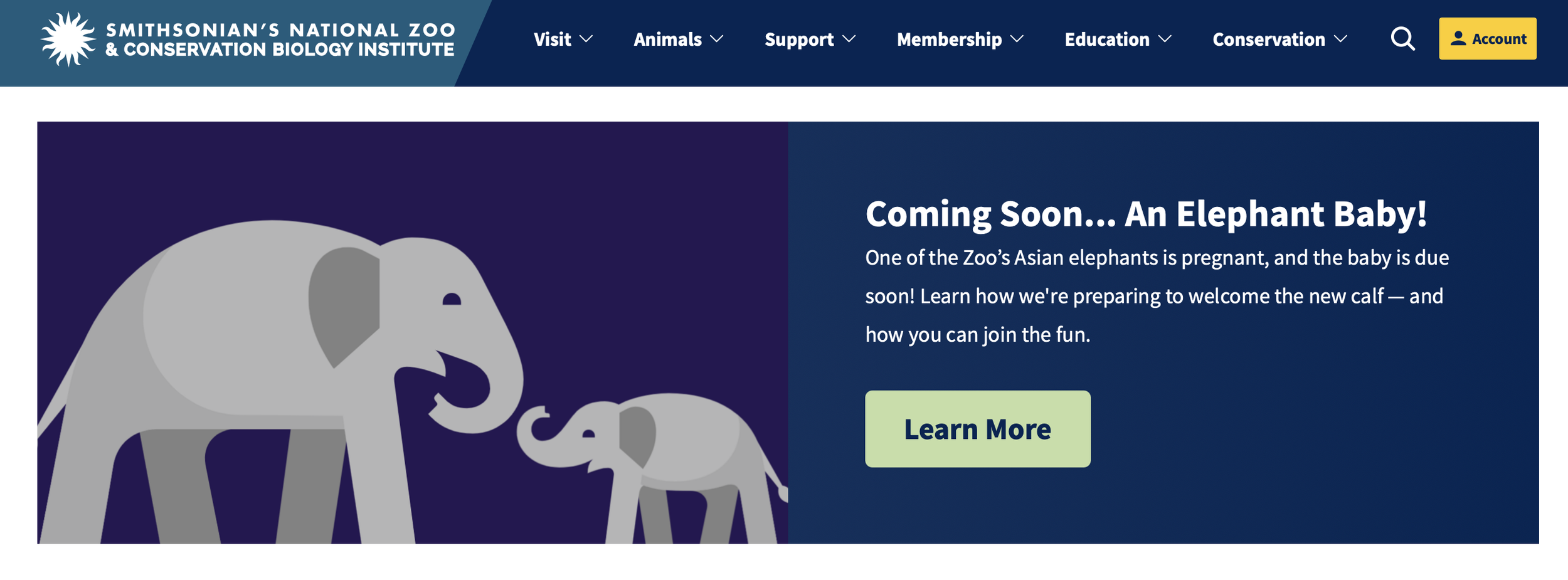
Click on this image for a link to their website and info about the first newborn elephant to arrive at the National Zoo in over 20 years!
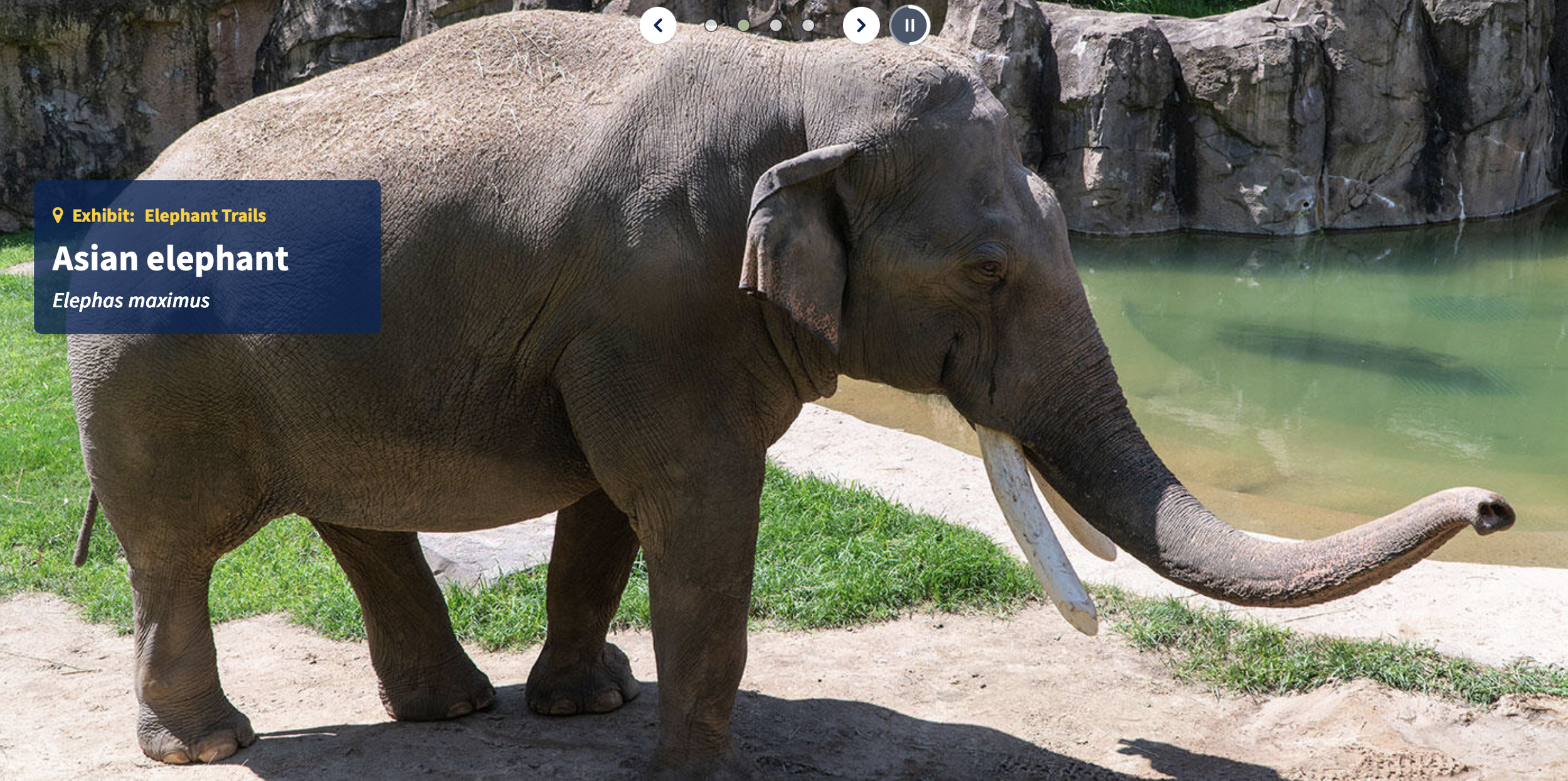
Click on this photo to learn more about Asian elephants and the National Zoo’s Elephant Trails program.
— Adopt an elephant with the Sheldrick Wildlife Trust —
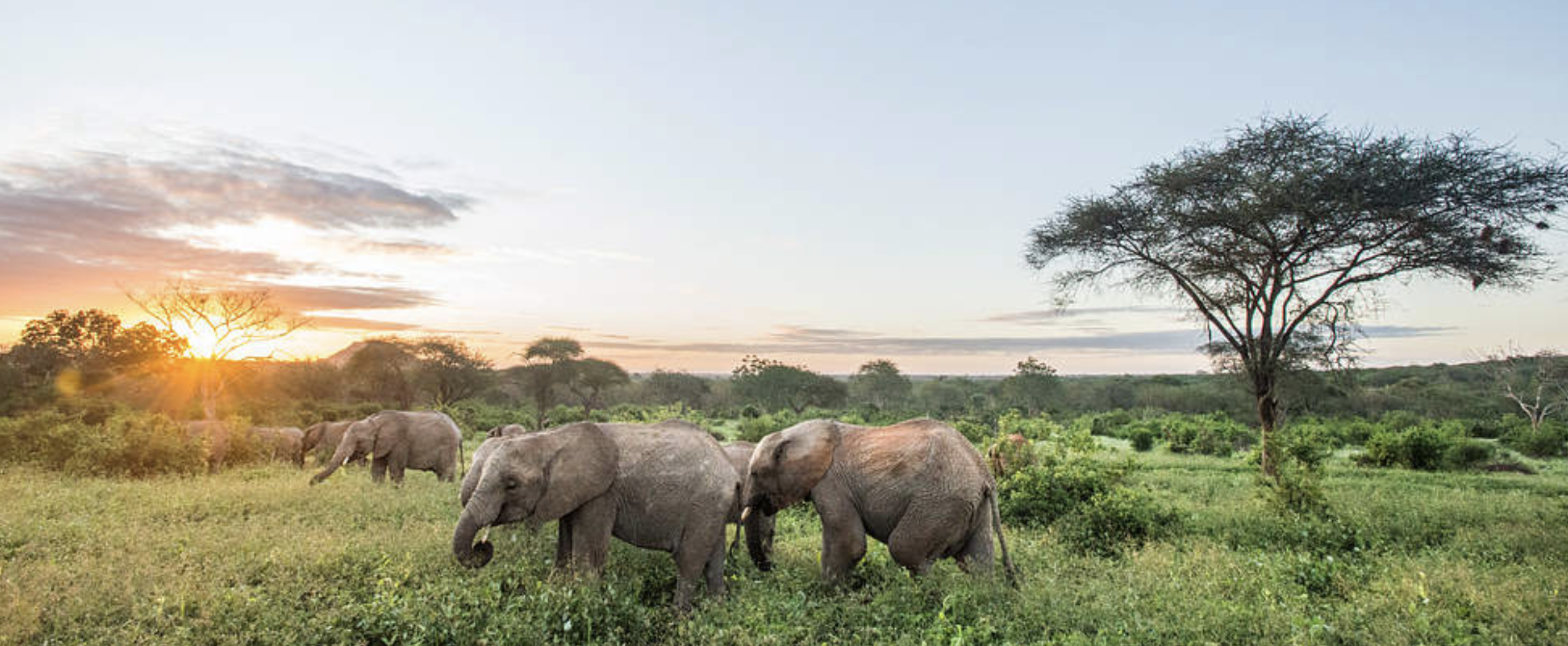
From their website: Born from one family’s passion for Kenya and its wilderness, the Sheldrick Wildlife Trust was established 48 years ago and is best known for its Orphans' Project, the first and most successful elephant orphan rescue and rehabilitation program in the world. The Sheldrick Wildlife Trust is a pioneering conservation organisation, dedicated to the protection of wildlife and the preservation of habitats in East Africa.
The Sheldrick Wildlife Trust is based in Nairobi, Kenya, with a field headquarters in Kaluku, bordering Tsavo East National Park. The Sheldrick Wildlife Trust UK is a separately registered charity in England & Wales and Sheldrick Wildlife Trust USA, is a registered 501(c)(3) in the United States.
— Elephant Episode Info —
Where and how do elephants live? —
Elephants are the largest land animals.
Elephants live in the wild on two continents: Africa and Asia.
Asian elephants live mostly in forests and they are usually the smallest elephants, although they are still really, really big.
In Africa there are two types of elephants: the Forest elephant and the Bush elephants. The Bush elephants are the biggest of all and they live in the savanna of Africa.
Elephants are herbivores – they only eat plants.
Elephants’ bodies —
They have large heads and huge bodies which are covered in skin and hair. They are gray or brownish in color. To protect their skin from too much sun and from bugs, an elephant will cover itself with dirt or mud.
The head of a bush elephant is larger and more rounded on top than the forest elephant.
They have four strong legs. Their feet are wide and flat. Their front feed around round like a circle and back feet are shaped like an oval. They have a small tail on their rear.
Elephants have great hearing (but not great eyesight). The earflaps of an elephant are really big and shaped like a fan.
Asian elephants have smaller ear flaps and African’s are much bigger.
They have tusks, which are like long teeth. They have one on each side of their trunk. They can be used to dig, move things.
Trunks —
Elephants’ trunks are long and fleshy and have muscles to make it move in all directions. Its mouth is just under its trunk.
It can be used to suck up water and spray it all over themselves or pick up dirt and sprinkle it over themselves.
The tip of a trunk can act like two fingers and helps them pick up or pull things.
It’s used for smelling, which helps it know about the world.
It can also be used to communicate. The loud sound it makes to tell others to watch out is called trumpeting.
Elephants are mammals & the females live in herds —
Mammals are warm-blooded animals. They have live babies and their mothers feed them milk.
Mother elephants grow their babies inside them for about 22 months.
When a baby is born, it can stand up on its legs right away.
Babies drink milk from their mother until about 6 months old, when it can start to eat bring things.
A baby elephant is called a calf. A mother is called a cow. A father is called a bull.
Young elephants live with their mothers until about three years old.
Most grown male elephants go off to be by themselves.
The females – the mothers and their babies and younger elephants – live together in a group. A group of elephants is called a herd.
One older female elephant is the leader of the herd and the others will follow her to wherever she thinks they should walk.
All of the mother elephants take care of the babies.
It is believe that elephants are smart and use their brains very well.
It’s also thought that elephants have feelings. Mother will hug their young with their trunks and other mothers will help a baby if their baby is not nearby. If one of their herd is sick or dies, other elephants have been seen to look concerned and sad.
Being endangered —
People have killed elephants for their ivory tusks. Now there are laws saying that people are not allowed to do that.
When forest trees are cut down, it makes their habitats smaller, and it makes it harder for elephants to find food.
It’s important that elephants and their habits are protected so they will continue to live on earth.
There are many organizations working to protect elephants. They make up rules to protect pathways that the elephants roam to find food. They’re figuring out how to work with elephants near farms.
Seeing elephants in zoos can help us appreciate the species in the wild.